A concrete tube, or concrete core, is a device used to pour concrete for construction applications. These devices are typically constructed from cardboard or other similar fibrous materials, and they serve as the means for containing and shaping the concrete. With a concrete tube in place, construction workers can pour liquid concrete into the cardboard core and allow it to solidify, allowing for the construction of large concrete columns and support structures. Read More…
Valk Industries, Inc. open_in_new
Location: Greeneville, TN
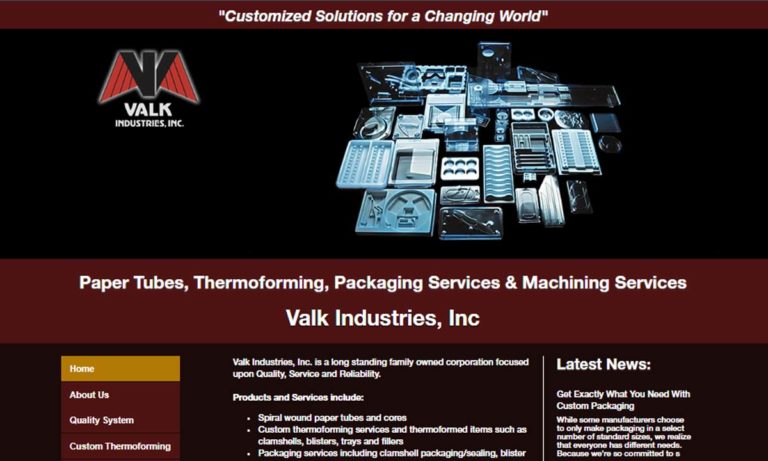
Valk Industries provides engineering and manufacturing services for cardboard tubes as well as custom thermoformed items like clamshells, blister packs, trays and filler material.
Western Container Corp. open_in_new
Location: Beloit, WI
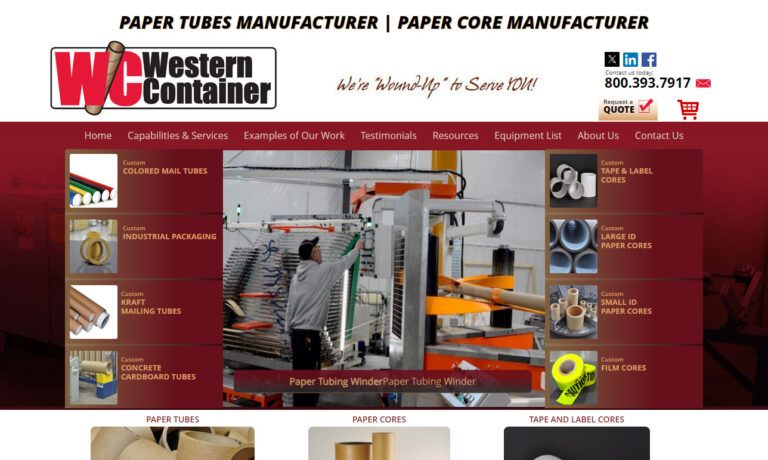
Western Container partners with the world`s top spiral tube equipment designers & paperboard manufacturers, to bring our customers the very best paper tubing and precision cores.

Chicago Mailing Tube open_in_new
Location: Chicago, IL
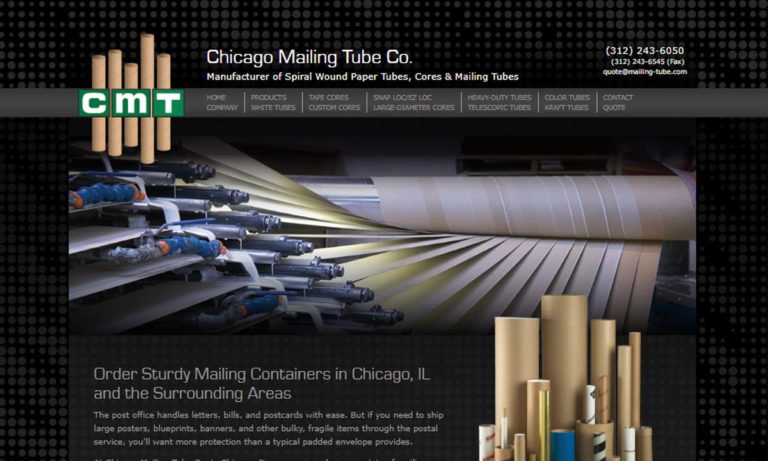
Chicago Mailing Tube is a premier manufacturer of custom paper tubes, containers, and cores, providing products that are both high quality and economical.

Paper Tubes & Sales open_in_new
Location: Dallas, TX
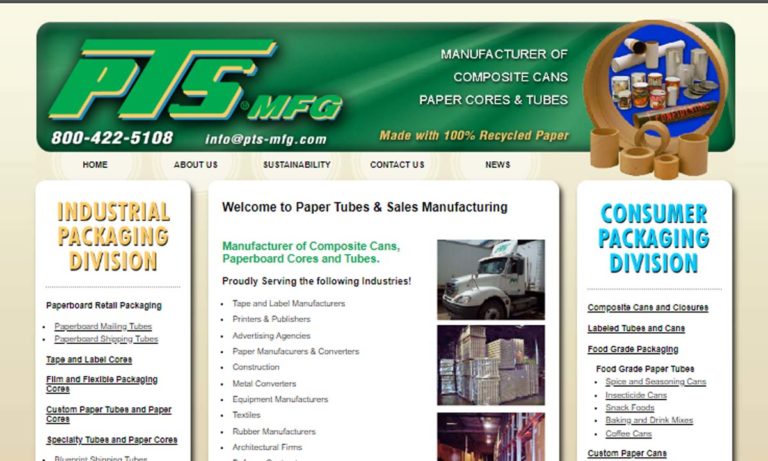
Here at Paper Tubes and Sales we are a proven manufacturer of high quality cardboard tubes. These products are ideal for a multitude of industries and our teams are available to assist you with determining the best paper tube for your application.

Marshall Paper Tube Company, Inc. open_in_new
Location: Avon, MA
Marshall Paper Tube Company designs and manufactures custom labeled cans, tubes, and mailings. We can create amazing custom designs in full color for your product or brand. We also provide specialty items like coin collection banks and fundraising cans. All of our products are made in the United States of America and out of 100% recycled paperboard in an effort to stay “green.”

More Concrete Tube Manufacturers
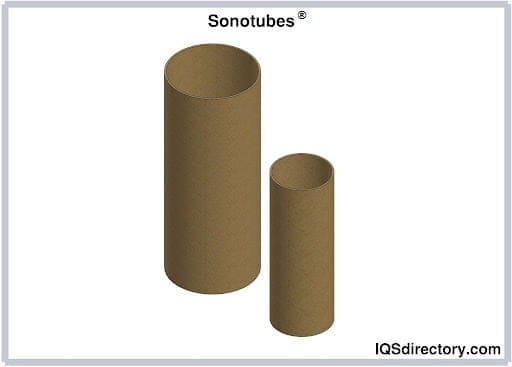
Concrete tubes—also known as concrete form tubes, concrete forming tubes, or concrete column forms—are essential components in modern construction and engineering. These cylindrical forms, also referred to as sonotubes in the industry, are typically constructed by winding multiple layers of heavy-duty, spiral-wound cardboard into tightly bonded cylinders. High-strength adhesives bond each layer securely, with additional spiraled cardboard material added incrementally until the desired wall thickness is achieved. The resulting wall thickness is a critical factor, directly influencing the tube’s ability to withstand hydrostatic pressure, maintain shape, and support sizable concrete pours during both pouring and curing phases. For demanding construction projects—such as structural columns in high-rise buildings, bridge piers, wind turbine foundations, or deep foundation piles—a thicker-walled concrete tube is necessary to resist elevated pressure and prevent bursting, deformation, or collapse.
Manufacturers supply concrete form tubes in a wide range of diameters and lengths to meet the diverse structural needs of commercial, industrial, and residential construction. Tube diameter is a particularly significant specification, as it determines both the circumference and ultimate load-bearing capacity of the finished concrete column or pier. When selecting a concrete forming tube, it is essential to carefully consider the structural requirements of your project, including anticipated loads, column heights, soil conditions, seismic factors, and compliance with local building codes. While tube length is generally less critical—since most tubes can be easily trimmed or cut down to exact size on-site—it still impacts accurate material estimation and overall project budgeting. Proper selection of tube dimensions ensures both efficient material use and safe, long-lasting concrete structures.
One of the standout advantages of cardboard-based concrete tubes is their user-friendly design. Cardboard is lightweight and easy to handle, making transport and installation more efficient. These tubes can be cut or modified using standard hand tools or power tools, providing unmatched flexibility for contractors and DIY builders. This adaptability allows for on-site customization—concrete forming tubes are available in standard, oversized, and custom lengths, which can be trimmed to the precise measurements required for footings, posts, columns, or specialty features. For most construction applications, this flexibility reduces waste, minimizes labor, and accelerates installation, delivering cost savings and enhanced job site efficiency compared to steel, plastic, or fiberglass alternatives.
 Concrete Tubes - Marshall Paper Tube Company
In addition to standard size and thickness options, modern manufacturers offer a variety of advanced features and enhancements to meet specialized construction needs. Among the most requested upgrades in the building industry is the addition of water-resistant or moisture-barrier linings. Since the concrete curing process is highly dependent on proper moisture levels for strength development, a water-resistant internal layer helps prevent premature water loss by inhibiting excessive evaporation or absorption into surrounding soil. This feature not only improves the structural integrity and reliability of the finished concrete but also promotes a more uniform cure, reducing the risk of cracking, shrinkage, or surface imperfections. This is especially important for high-performance or exposed structural elements, where finish quality and long-term durability are essential.
Beyond water-resistance, many concrete tube suppliers offer additional innovations and customizations, such as:
- UV-resistant coatings for outdoor and long-duration site storage, preventing degradation from sunlight exposure
- Heavy-duty, reinforced walls for projects requiring high-pressure pours, deep footings, or large-diameter columns
- Pre-scored cut lines for easier and more precise on-site adjustments
- Custom diameters and lengths for unique architectural or engineering specifications—ideal for decorative columns, specialty piers, or custom footings
- Environmentally-friendly, recyclable materials for use in green building projects and LEED-certified construction
 Concrete Tubes - Marshall Paper Tube Company
Who Uses Concrete Tubes? Key Industries, Construction Markets, and Real-World Applications
Concrete tubes are widely used by construction companies, general contractors, civil engineers, and infrastructure developers to create fast, affordable, and reliable load-bearing concrete structures. Their versatility and ease of use make concrete form tubes a preferred solution across a broad spectrum of projects, including:
- Structural columns and piers for commercial properties, multi-story buildings, parking garages, retail centers, and office complexes
- Bridge supports, caissons, and foundation piles for highway overpasses, railway bridges, pedestrian walkways, and transportation infrastructure
- Residential foundations, including porch piers, deck footings, patio supports, and basement columns
- Retaining walls, landscape features, and sitework construction, where cylindrical forms serve as anchors or support posts
- Light poles, signposts, utility poles, and fencing, providing uniform, cleanly shaped columns for municipal and commercial installations
- Architectural and decorative columns for malls, hotels, resorts, and public buildings seeking a distinctive design
Beyond large-scale commercial, industrial, and civil engineering projects, concrete form tubes have surged in popularity among the DIY and home improvement markets. Homeowners and small contractors rely on these tubes for projects ranging from mailbox posts and basketball hoop footings to pergolas, outdoor kitchens, gazebos, garden features, and more. The affordability, convenience, and widespread availability of cardboard tubes make them the go-to choice for both professionals and hobbyists looking for strong, consistent results with minimal hassle.
Why Choose Cardboard Concrete Tubes Over Other Forming Materials?
While alternative materials like steel forms, fiberglass forms, or plastic forms are available for concrete forming, cardboard tubes (sometimes called paperboard forming tubes) remain the dominant choice for several compelling reasons that drive material selection in both commercial and residential construction:
- Cost-effectiveness: Cardboard tubes offer significant cost savings versus metal or plastic forms, making them ideal for both small, one-off projects and large-scale construction where budget and material efficiency are critical.
- Ease of removal: After the concrete cures, cardboard tubes can be quickly cut and peeled away without the need for specialized tools or heavy equipment. In contrast, steel and plastic forms are often reusable but require time-consuming disassembly and cleaning.
- On-site customizability: Cardboard is easily cut and modified, allowing for last-minute changes to length, diameter, or shape—especially valuable for non-standard or custom architectural projects.
- Lightweight design: Cardboard tubes are easy to move, transport, and position on-site, reducing labor costs and minimizing worker fatigue or injury risk during installation.
- Environmental sustainability: Most tubes are manufactured using recycled content and are both recyclable and biodegradable after use, supporting sustainable construction and green building initiatives.
- Wide availability: Cardboard concrete tubes are stocked by most building supply stores, lumber yards, and specialty distributors, simplifying procurement and project scheduling.
How to Select the Right Concrete Tube for Your Project
Choosing the correct concrete form tube is critical for achieving optimal performance, safety, and cost-efficiency in your project. Consider the following key decision factors, and ask yourself these important questions during the selection process:
- What is the required diameter and wall thickness? Analyze the structural load, column height, and soil bearing capacity to define the optimal tube dimensions. Refer to engineering tables or consult with a structural engineer for guidance.
- How much hydrostatic pressure and pour height must the tube withstand? For deep or high-volume pours, select a heavy-duty, reinforced tube designed to resist collapse or deformation.
- Will the tube be exposed to moisture, weather, or harsh jobsite conditions? If so, opt for tubes with water-resistant interior linings, UV-resistant coatings, or other enhanced durability features.
- Is ease of removal, waste minimization, or recyclability a project priority? Cardboard tubes excel in these areas versus steel or reusable plastic forms.
- Do you have unique design, architectural, or code requirements? Many manufacturers offer custom diameters, decorative finishes, or specialty coatings for tailored applications.
- What is your required quantity and lead time? Ensure your supplier can meet delivery requirements, especially for large or custom orders.
Still not sure which tube is right for your job? Compare top construction tube manufacturers or request tailored quotes based on your specifications and project needs.
Frequently Asked Questions About Concrete Tubes
- What is the standard length of a concrete form tube?
Most concrete tubes are sold in lengths ranging from 4 to 20 feet, but they can be trimmed to any required size onsite for your specific application. - Are cardboard concrete tubes strong enough for large-scale commercial or infrastructure construction?
Yes. When properly sized, installed, and braced, heavy-duty cardboard tubes provide the strength and rigidity needed for demanding commercial, civil, or infrastructure projects. - Can concrete tubes be used for decorative or architectural columns?
Absolutely. Concrete tubes can be used to form round, fluted, or custom-shaped columns with a smooth, uniform finish—making them a favorite among architects and designers. - How do I remove a concrete tube after the concrete has set?
Simply use a utility knife, saw, or shears to cut the cardboard tube and peel it away from the cured concrete column or footing. - Are there eco-friendly or sustainable options for concrete tubes?
Yes. Many manufacturers offer tubes made from high-recycled-content materials. Cardboard tubes are also fully recyclable and biodegradable, supporting green building standards and LEED certification. - Do you need a special release agent with cardboard tubes?
Most applications do not require a release agent, but for especially smooth finishes or difficult removals, a light application of form oil can be used.
Best Practices for Using Concrete Form Tubes: Installation, Pouring, and Curing Tips
Proper installation, bracing, and handling of concrete form tubes ensure strong, defect-free concrete columns and footings. Follow these expert tips to maximize results:
- Ensure level and stable placement: Place tubes on a compacted, level base to prevent shifting during concrete placement.
- Brace and support tubes securely: Use stakes, braces, or temporary supports to keep tubes vertical and prevent movement under the weight of wet concrete.
- Seal tube seams and base: Use tape, sealant, or caulk on seams and base to prevent concrete leakage and ensure a smooth finish.
- Pour concrete in stages for tall forms: Pour in lifts and use a concrete vibrator or tapping tool to eliminate air pockets and ensure uniform consolidation.
- Monitor curing conditions: Adhere to manufacturer and concrete supplier recommendations for curing times, temperature, and humidity to achieve full design strength.
- Remove tube only after sufficient curing: Wait until the concrete has set to at least 50% of its final strength before removing the form, to avoid surface damage or deformation.
Comparing Cardboard Tubes to Alternative Concrete Forming Solutions
If you’re considering your options for concrete formwork, compare cardboard tubes with traditional alternatives such as steel forms, fiberglass forms, plastic forms, and modular reusable forming systems. Here’s a side-by-side look at key attributes:
| Feature | Cardboard Tubes | Steel/Plastic Forms | Reusable Systems |
|---|---|---|---|
| Cost | Low initial cost | Medium to high | High upfront, low per-use if reused frequently |
| Ease of Use | Very easy, no special tools | Moderate, may require tools | Requires training and assembly |
| Removal | Simple (cut and peel away) | Requires tools, may be labor intensive | Disassembly required |
| Custom Sizing | Easy to cut onsite | Limited, often custom order | Fixed or modular sizes |
| Sustainability | Recyclable, biodegradable | Non-biodegradable, some recyclable | Reusable, but not always recyclable |
| Availability | Readily available at suppliers | May require special order | Varies by system and region |
Top Benefits of Using Concrete Tubes in Construction Projects
- Accelerated project timelines: Fast and easy installation and removal reduce overall build time.
- Consistent, high-quality results: Achieve smooth, uniform concrete surfaces ideal for architectural and structural applications.
- Reduced material waste: On-site customization means less leftover material and lower disposal costs.
- Lower labor and equipment costs: Lightweight, easy-to-handle forms require less manpower and no heavy equipment.
- Versatility and adaptability: Suitable for a wide range of applications from decks and porches to bridges and high-rise columns.
- Eco-friendly options: Support green building with recyclable, renewable, and low-impact materials.
- Regulatory and code compliance: Available in sizes and grades that meet or exceed industry standards for strength and safety.
When Should You Use a Water-Resistant Concrete Tube?
Water-resistant concrete tubes or tubes with integrated moisture barriers are highly recommended for:
- Projects in wet, humid, or flood-prone environments where water loss could undermine curing and final strength
- Foundations or piers installed in highly absorptive soils or areas of high groundwater
- Extreme weather conditions, freeze/thaw cycles, or where curing times are extended
- High-performance structural applications, such as bridges, parking decks, or exposed architectural columns
Wondering if you need advanced features for your climate or job site? Contact a manufacturer for expert advice tailored to your project’s specific requirements, site conditions, and environmental challenges.
How to Order Custom Concrete Tubes: Specifications and Sourcing Tips
If your application requires custom diameters, unique lengths, or specialty features—such as decorative finishes, heavy-duty wall construction, or eco-friendly materials—most leading manufacturers offer made-to-order solutions. When requesting a quote or placing an order, prepare to provide the following details:
- Required inside and outside diameter of each tube
- Wall thickness or specific load-bearing requirements
- Exact length(s) needed for your project
- Total quantity of tubes required
- Any additional features needed, such as water resistance, UV protection, or custom coatings and finishes
- Project timeline and delivery location
Looking for a specialized supplier? Search for cardboard core manufacturers or construction tube suppliers who can customize products for your application, timeline, and budget.
Concrete Tube Maintenance, Storage, and Handling Tips
Proper storage and handling of concrete tubes ensures maximum performance and prevents issues during installation. Here are best practices for maintaining your forming tubes:
- Store tubes in a dry, covered area to prevent moisture absorption, warping, or weakening
- Avoid excessive stacking to prevent crushing or ovalization—especially for large-diameter or thin-walled tubes
- Inspect all tubes prior to use and discard any with excessive dents, tears, or signs of water damage
- Protect tubes from direct sunlight if not UV-resistant, as prolonged exposure can weaken the cardboard
- Transport tubes carefully using proper lifting techniques to avoid accidental drops or impact damage
- Keep tubes off the ground using pallets or racks to avoid moisture wicking from soil
Explore More: Related Products, Resources, and Industry Solutions
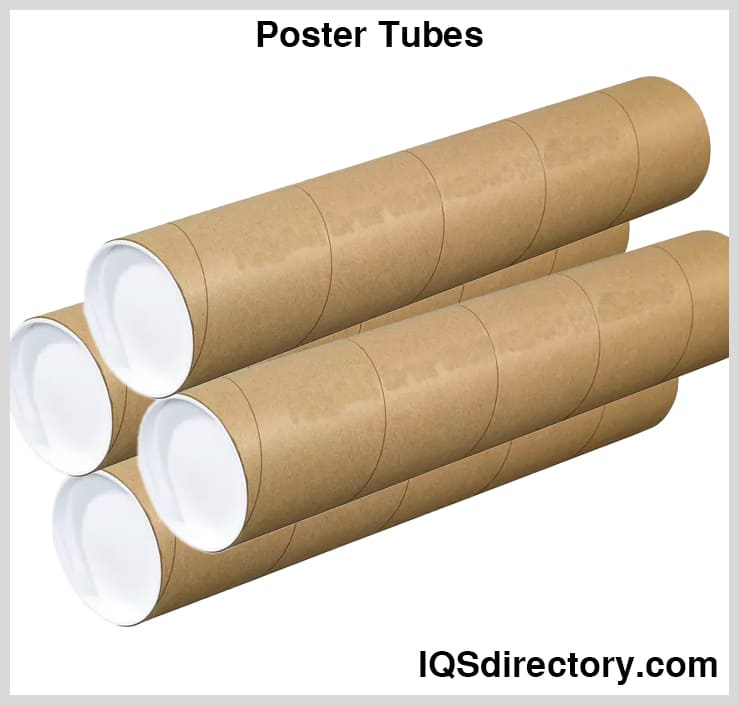
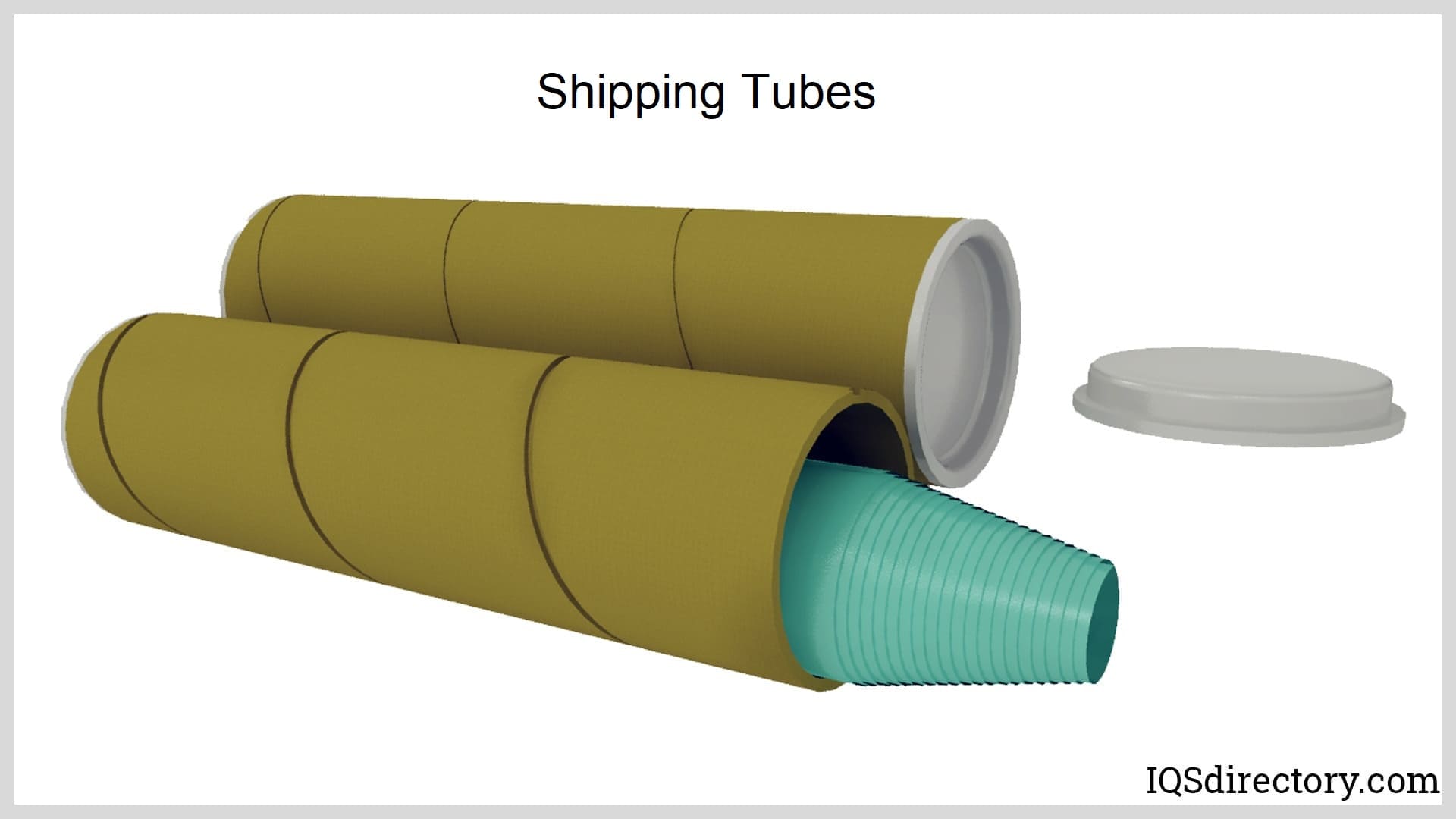
- Shipping Paper Tubes – Perfect for mailing, shipping, and protective packaging in industrial and commercial applications
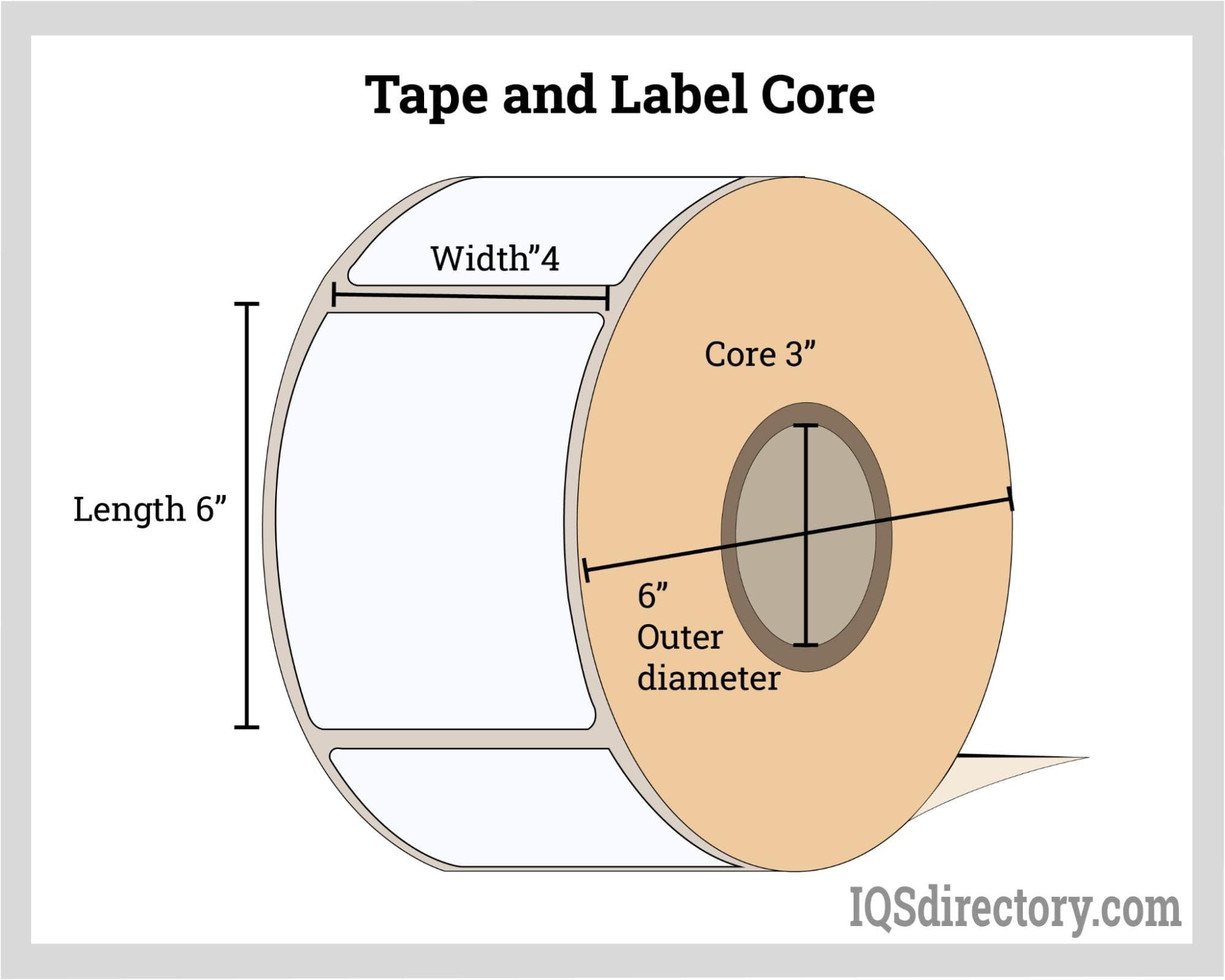
- Cardboard Cores – Used in film, tape, textile, paper, and industrial winding operations
- Construction Tubes – Explore the full range of concrete forming tubes for both structural and decorative project needs
Ready to Get Started? Request Quotes, Samples, or Technical Guidance
Whether you’re a professional contractor, civil engineer, architect, or DIY enthusiast, concrete tubes deliver a proven, economical, and sustainable solution for forming strong, reliable columns, piers, and footings. For detailed technical specifications, product comparisons, pricing information, and the latest innovations in concrete formwork technology, visit our comprehensive construction tubes resource page or connect with top cardboard core manufacturers today. Need help estimating how many tubes you’ll need or what features are best for your project? Request a quote, product sample, or technical consultation to ensure your next build is safe, efficient, and built to last!
Ready to compare options?
Browse our directory of leading concrete tube suppliers or request a custom quote for your next project. Have more questions about applications, installation, or compliance? Contact our experts for guidance on code requirements, structural calculations, and best practices for optimal results.
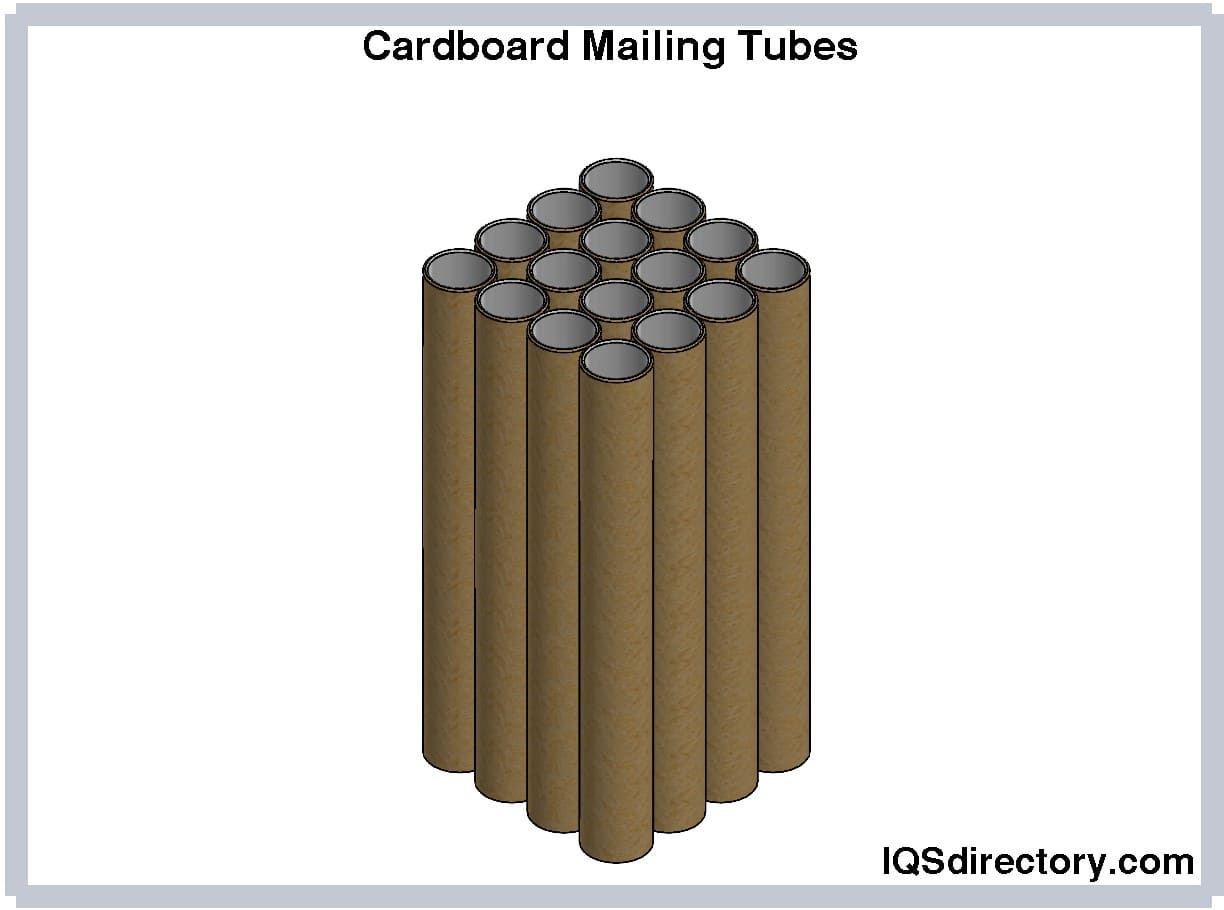
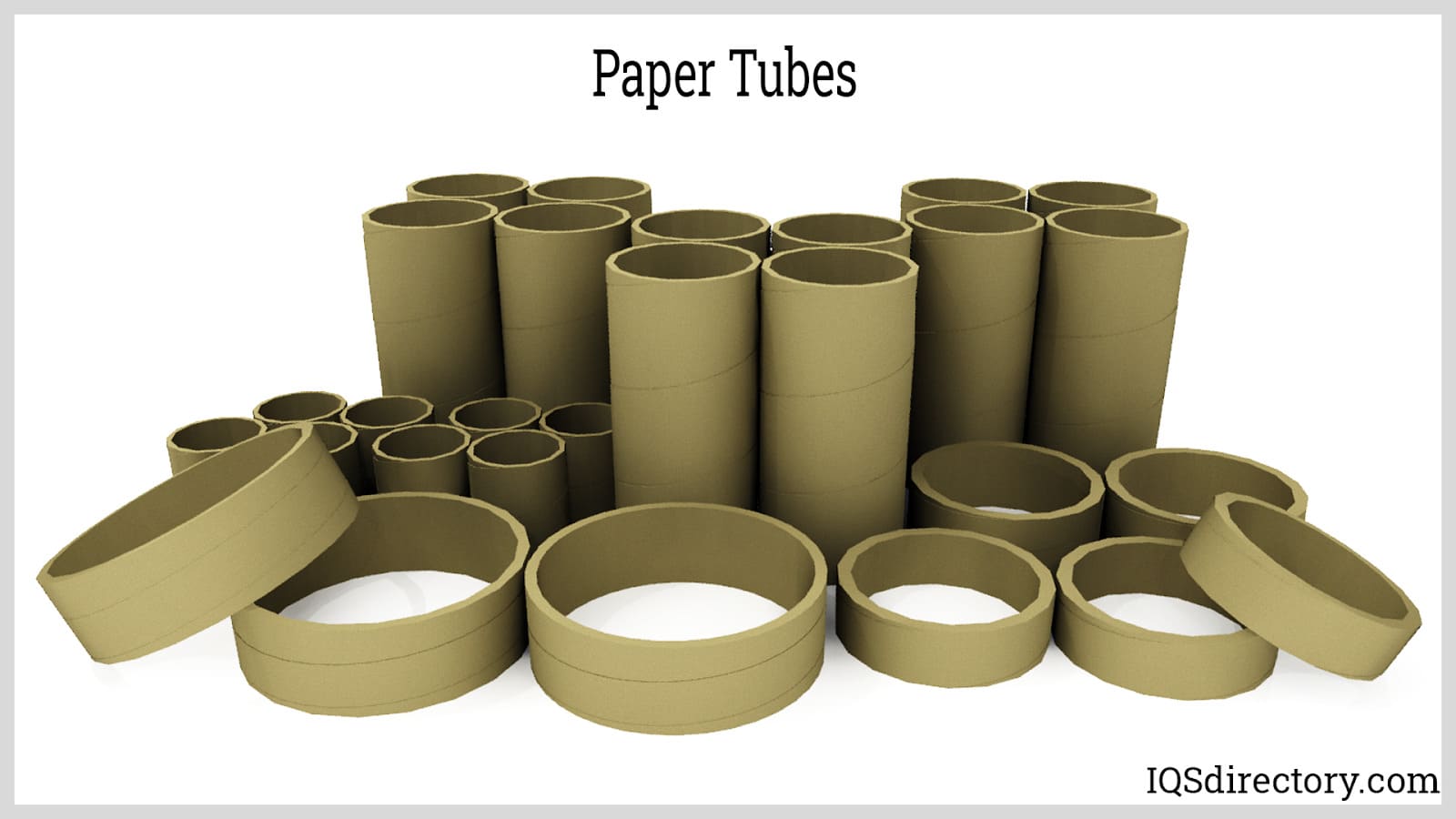
 Cardboard Tubes
 Carrying Cases
 Contract Packaging
 Corrugated Boxes
 Dot Peening Machines
 Labeling Machinery
 Marking Machinery
 Packaging Equipment
 Palletizers
 Plastic Bags
 Sewing Contractors
 Tape Suppliers
 Castings & Forgings
 Bulk Material Handling
 Electrical & Electronic Components
 Flow Instrumentation
 Hardware
 Material Handling Equipment
 Metal Cutting Services
 Metal Forming Services
 Metal Suppliers
 Motion Control Products
 Plant & Facility Equipment
 Plant & Facility Supplies
 Plastic Molding Processes
 Pumps & Valves
 Recycling Equipment
 Rubber Products & Services