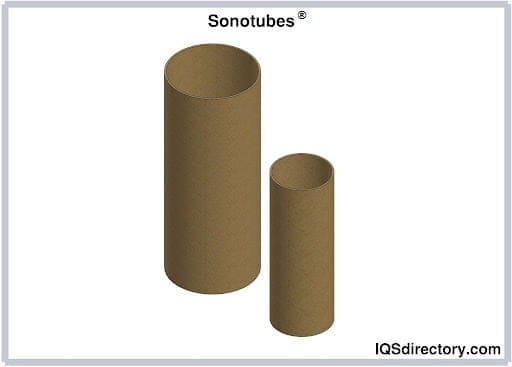
Paper cores are strong cardboard tubes or cylinders which are used in fabric, adhesive, electrical, paper product and converting industries as a sturdy base around which to wind materials for storage or distribution. Depending on the intended use of the tubes, paper cores can be made from heavy-duty thick cardboard for industries such as fabric and electrical, whereas for toilet paper or paper towels, the cores can be made from thinner, less durable cardboard or paper. Read More…

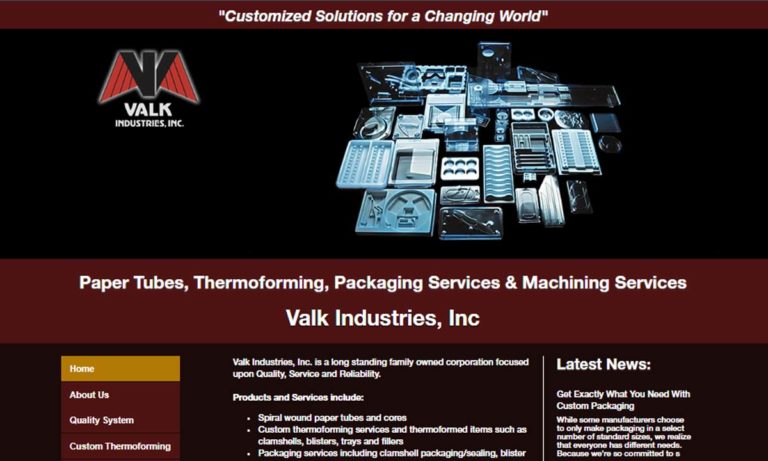
Valk Industries, Inc. open_in_new
Location: Greeneville, TN
Valk Industries provides engineering and manufacturing services for cardboard tubes as well as custom thermoformed items like clamshells, blister packs, trays and filler material.
Western Container Corp. open_in_new
Location: Beloit, WI
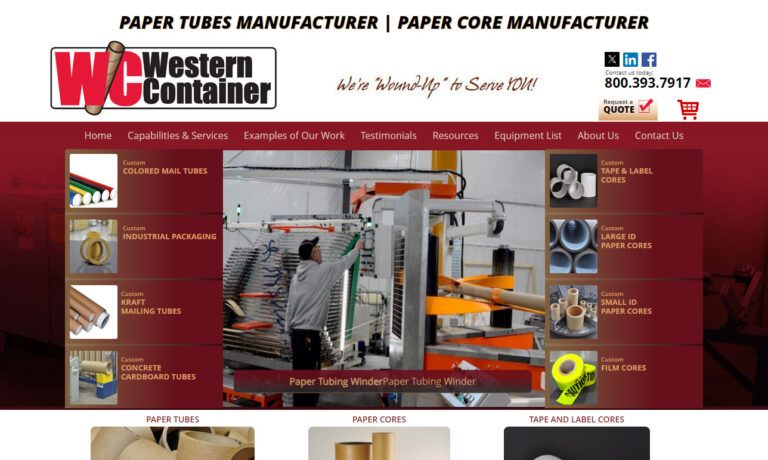
Western Container partners with the world`s top spiral tube equipment designers & paperboard manufacturers, to bring our customers the very best paper tubing and precision cores.

Chicago Mailing Tube open_in_new
Location: Chicago, IL
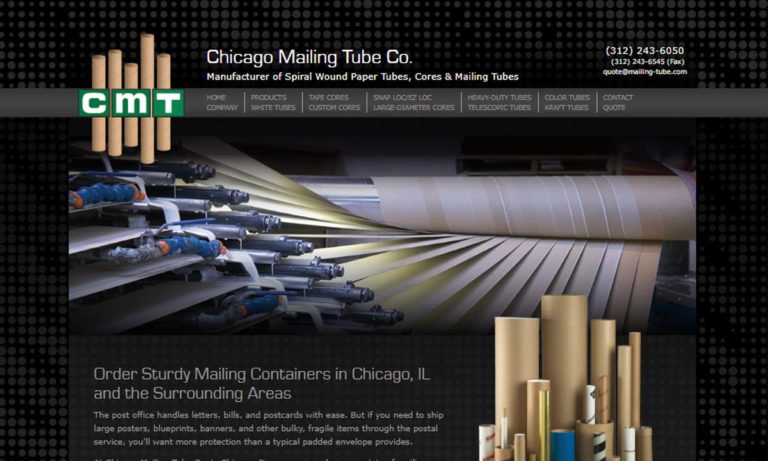
Chicago Mailing Tube is a premier manufacturer of custom paper tubes, containers, and cores, providing products that are both high quality and economical.

Paper Tubes & Sales open_in_new
Location: Dallas, TX
Here at Paper Tubes and Sales we are a proven manufacturer of high quality cardboard tubes. These products are ideal for a multitude of industries and our teams are available to assist you with determining the best paper tube for your application.

Marshall Paper Tube Company, Inc. open_in_new
Location: Avon, MA
Marshall Paper Tube Company designs and manufactures custom labeled cans, tubes, and mailings. We can create amazing custom designs in full color for your product or brand. We also provide specialty items like coin collection banks and fundraising cans. All of our products are made in the United States of America and out of 100% recycled paperboard in an effort to stay “green.”
More Paper Core Manufacturers
Made from high-quality wood pulp fiber, paper cores are a foundational component in many manufacturing and packaging industries. Engineered for versatility, these cylindrical structures are created by winding layers of paperboard or cardboard, often enhanced with a variety of adhesives and laminates. These enhancements give paper cores specialized properties such as increased strength, water resistance, and heat resistance, making them suitable for an extensive range of demanding industrial and commercial applications. The ability to customize paper cores in virtually limitless combinations of diameter, wall thickness, and length ensures their performance can be tailored to meet the specific requirements of every use case—from light-duty consumer products to heavy-duty industrial materials. Whether you’re seeking a solution for winding, storing, or transporting rolled goods, paper cores provide reliable structural stability from the inside of a product roll, making them indispensable in today’s supply chain.
What Are Paper Cores and Why Are They Essential?
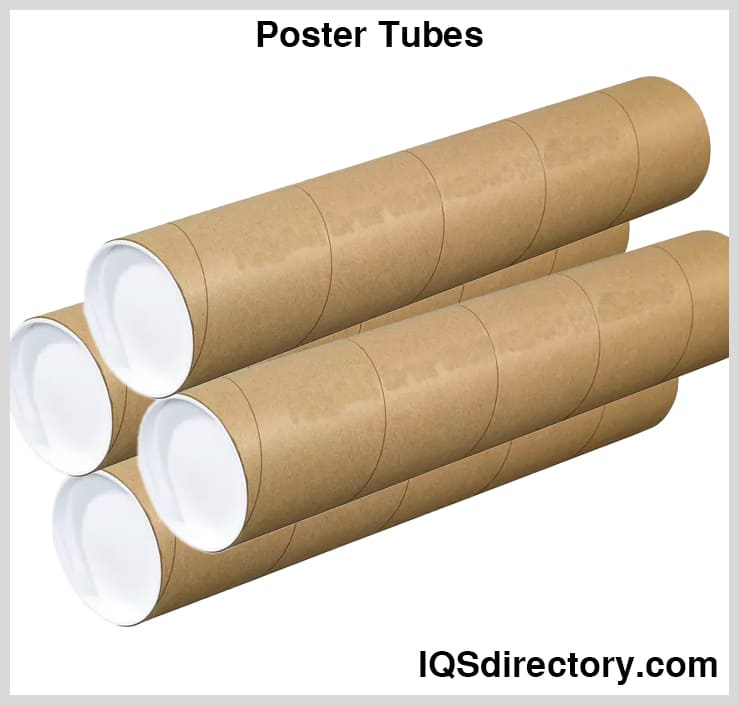
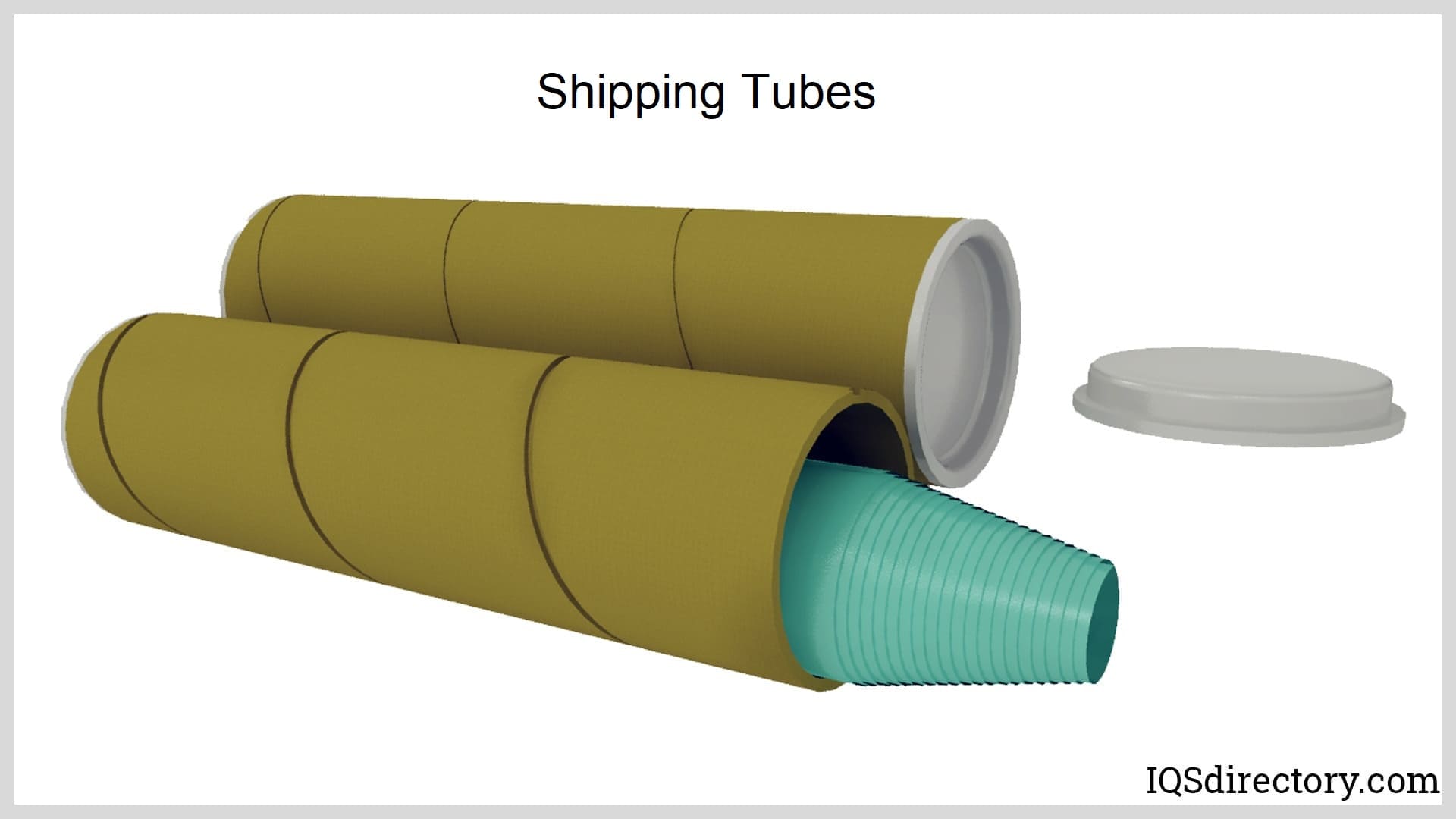
Paper cores are cylindrical tubes made primarily from layers of paperboard, designed to serve as a sturdy inner structure for a wide variety of rolled materials. Unlike other paper tubes such as mailing tubes, shipping tubes, or postal tubes that act as an outer protective barrier for objects, paper cores offer robust support from their exterior. This design allows them to withstand the significant radial or compressive pressure exerted by the material wound tightly around them—whether it’s plastic film, adhesive tape, textiles, or industrial foils. The unique construction and customization options of paper cores make them critical for manufacturers and distributors looking to optimize storage, maintain product integrity, and streamline material handling throughout the production and distribution process.
How Do Paper Cores Differ from Other Tubes?
One of the most common questions from buyers and engineers is: What is the difference between a paper core and a paper tube? The distinction lies in function and construction. Paper tubes, such as those used for shipping and mailing, are designed to protect objects from external impacts and environmental factors; they act as a shell. In contrast, paper cores are engineered to support and stabilize materials wound around their exterior. For example, adhesive tape, stretch film, or aluminum foil all rely on precision-engineered paper cores to maintain shape and prevent deformation during storage and use. Paper cores must be designed to resist crushing, bending, and distortion, ensuring that the rolled material remains flat, smooth, and ready for processing or use.
 Paper Cores - Marshall Paper Tube Company, Inc.
Key Applications and Use Cases for Paper Cores
Paper cores are integral across a diverse range of industries, with each sector leveraging their unique properties to solve specific challenges in product storage, distribution, and conversion. Here are some of the most common and high-value applications:
- Textiles & Fabrics: Used for rolling and storing fabrics, carpets, and nonwovens, ensuring materials remain flat and free from creases or wrinkles.
- Packaging Films & Foils: Essential for winding plastic wrap, cellophane, aluminum foil, and metallized films in both commercial and consumer settings.
- Adhesive Tapes: Provide the core structure for packing tape, masking tape, duct tape, and specialty tapes used in industrial and retail environments.
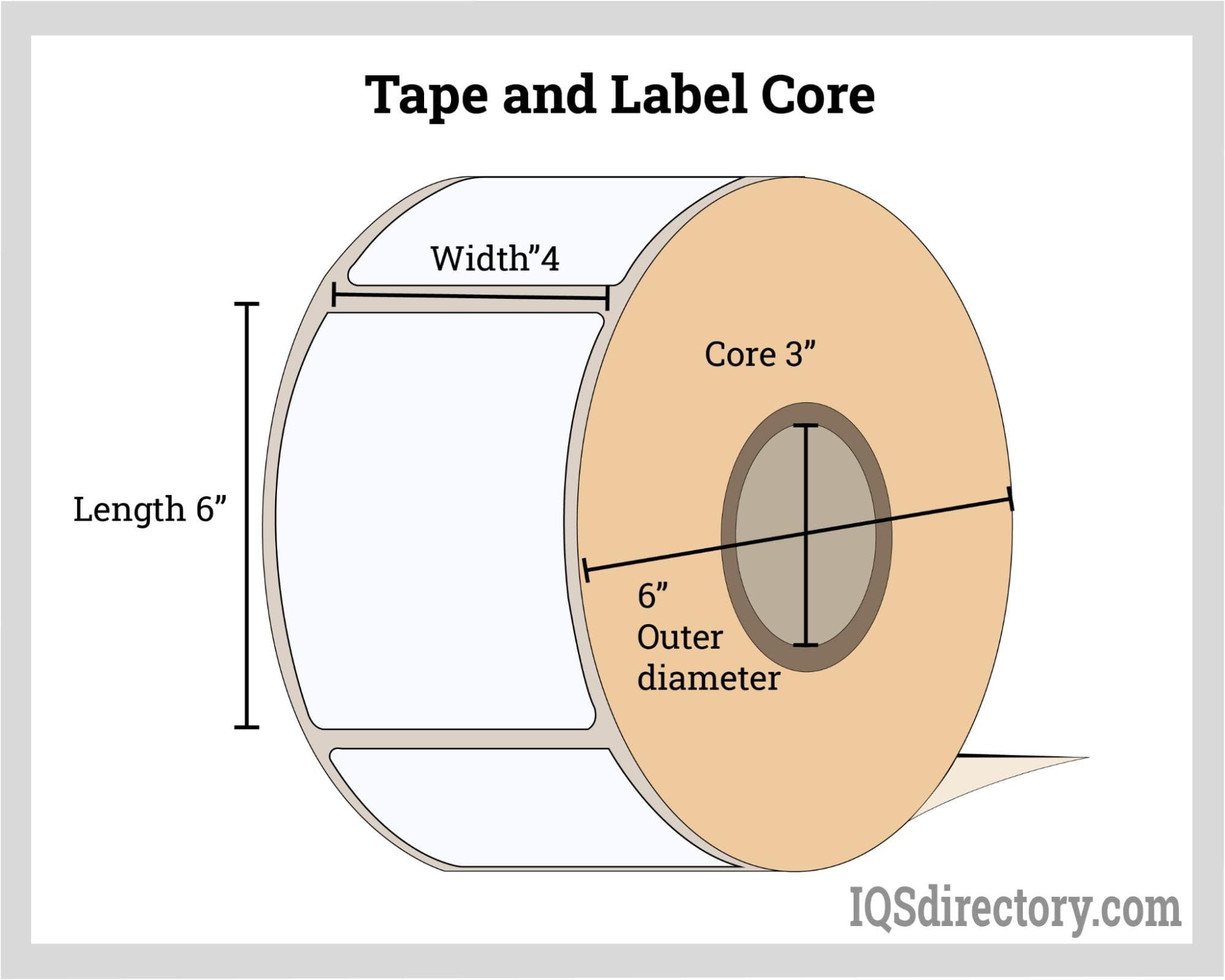
- Papers & Labels: Core components for cash register rolls, thermal paper, receipt paper, labels, and sticker rolls.
- Electrical & Industrial Materials: Used for coiling electrical wires, cables, rubber, or foam strips, and other specialty materials requiring organized storage and easy dispensing.
- Consumer Products: Found in household paper towels, toilet tissue, craft papers, ribbons, and gift wraps.
- Manufacturing & Converting: Utilized in converting, slitting, and die-cutting processes where large material rolls are processed into smaller, distributable portions.
Looking for Paper Cores for a Specific Application?
Ask yourself: What type of material will be wound around the core?
Or, What dimensions and properties does my process require?
If you need custom paper cores engineered for unique applications, contact our specialists for personalized recommendations and pricing.
Benefits of Using Paper Cores in Industrial and Consumer Applications
Paper cores offer a wide range of advantages that make them the preferred choice for both large-scale manufacturers and small businesses alike:
- Cost-Effectiveness: Compared to plastic or metal alternatives, paper cores are significantly less expensive to produce, transport, and recycle. This translates to lower operational costs and improved ROI for manufacturers and distributors.
- Customization: Paper cores are available in a variety of diameters, wall thicknesses, and lengths, allowing them to be tailored for light, medium, or heavy-duty applications.
- Eco-Friendliness: Made from renewable resources and fully recyclable, paper cores contribute to sustainability initiatives and help meet green packaging requirements. Many suppliers offer cores made from recycled paperboard, further reducing environmental impact.
- Lightweight Yet Strong: Despite being lightweight, paper cores offer excellent compressive and crush resistance, providing reliable support for even the heaviest rolled goods.
- Versatile Performance: The ability to apply specialty adhesives, coatings, or laminates means paper cores can be engineered for moisture resistance, chemical resistance, or enhanced strength as needed.
- Ease of Handling: The hollow design of paper cores allows for easy mounting on spools, mandrels, or shafts, simplifying material feeding and dispensing during production or use.
Why Choose Paper Cores Over Plastic or Metal Cores?
When evaluating packaging and winding solutions, many buyers ask: Are paper cores better than plastic or metal alternatives? In most cases, the answer is yes—especially when you factor in cost, sustainability, and versatility. Paper cores are easier to cut, modify, and recycle compared to plastic or metal. Their lighter weight also reduces shipping costs and makes them safer and easier to handle in high-volume environments. For most packaging, converting, and distribution applications, paper cores outperform other core materials in terms of total cost of ownership and environmental impact.
How Are Paper Cores Manufactured?
The manufacturing process for paper cores is highly specialized and engineered to ensure consistency, strength, and reliability for demanding applications. Here’s an overview of the key steps:
- Material Selection: High-grade kraft paperboard, recycled paper, or specialty fibers are selected based on the desired strength and application. The paper may be untreated or coated depending on performance requirements.
- Lamination & Adhesive Application: Layers of paperboard are bonded together using water-based or heat-resistant adhesives. Laminates or coatings may be applied for added moisture resistance, smoothness, or printability.
- Spiral or Parallel Winding: The paper is wound around a mandrel in a spiral or parallel (straight-line) pattern. Spiral winding is preferred for most high-strength cores, while parallel winding may be used for lightweight or specialty applications.
- Curing & Cutting: The wound tubes are cured to ensure adhesive bonding, then cut to the specified length and diameter using high-precision saws or blades.
- Finishing: The finished paper cores may undergo additional processes such as trimming, notching, slotting, printing, or surface coating to meet customer specifications.
What Should You Consider When Choosing a Paper Core Manufacturer?
When sourcing paper cores, consider these critical decision factors to ensure optimal performance and cost-effectiveness:
- Core Strength & Compression Resistance: Evaluate the required load-bearing capacity to prevent crushing or deformation during use.
- Material Compatibility: Ensure the core material and adhesives are compatible with the products being wound, especially if chemical or moisture resistance is needed.
- Dimensional Precision: Tight tolerances on diameter and wall thickness are essential for high-speed converting, printing, or slitting applications.
- Customization & Value-Added Services: Does the manufacturer offer custom printing, color coding, or specialized finishes to differentiate your product or streamline your process?
- Lead Time & Supply Chain Reliability: Choose a supplier with proven on-time delivery, scalable production capacity, and responsive customer service.
- Sustainability Credentials: Does the supplier use recycled paperboard or participate in eco-friendly initiatives? This can help you meet regulatory and corporate sustainability goals.
Common Paper Core Sizes, Specifications, and Customization Options
Paper cores are manufactured in a wide range of standard and custom sizes to accommodate virtually any application. Common inner diameters (ID) range from less than 1 inch for small tape rolls to over 12 inches for industrial fabric or film applications. Wall thicknesses can be adjusted for light, medium, or heavy-duty use, with some cores built to withstand extreme radial forces in high-speed production environments.
- Inner Diameter (ID): Typically from 0.5” up to 24” or more, depending on the application.
- Wall Thickness: Ranges from 0.05” (light-duty) to over 0.75” (heavy-duty industrial cores).
- Length: Standard lengths are available, but cores can be cut to any custom length required for your process.
- Materials & Laminates: Choose from plain kraft, coated, or specialty papers for added performance.
- Surface Finishes: Options include smooth, textured, printed, or colored exteriors for branding or product identification.
Need Help Specifying the Right Paper Core?
Use these prompts to guide your selection process:
- What core size is compatible with my machinery or dispensing system?
- Does my material require a moisture-resistant or static-dissipative core?
- Am I using heavy materials that need extra reinforcement?
- Is custom printing or color coding important for inventory management?
Contact our team for expert advice and free samples tailored to your requirements.
Industry Trends: Sustainability and Innovation in Paper Cores
As sustainability becomes an ever-greater priority for manufacturers and consumers, paper cores are at the forefront of eco-friendly packaging and production solutions. Many suppliers now offer cores made from 100% recycled content, water-based adhesives, and biodegradable coatings. Innovations in manufacturing have led to even stronger, lighter, and more versatile cores that reduce waste and lower carbon footprints.
Looking for ways to make your supply chain greener? Ask about:
- Recycled Paperboard Cores: Made entirely from post-consumer recycled fibers, reducing the need for virgin pulp.
- Biodegradable & Compostable Options: Perfect for single-use and disposable applications where end-of-life disposal matters.
- Lightweight Engineering: Thinner walls with reinforced construction for less material use without sacrificing strength.
- Certifications: FSC or SFI certified paper cores help meet corporate sustainability and environmental responsibility targets.
How to Increase Sustainability with Your Paper Core Sourcing
Incorporate these strategies to boost your company’s environmental profile:
- Specify recycled or recyclable materials in your purchasing orders.
- Work with suppliers who use water-based adhesives and eco-friendly coatings.
- Optimize core dimensions to minimize waste without compromising product protection or performance.
- Educate end users about the recyclability of paper cores with on-core printing or labeling.
Frequently Asked Questions About Paper Cores
- What are the main factors affecting the cost of paper cores?
Material grade, wall thickness, core diameter, length, custom finishes, and order volume all influence pricing. Bulk orders and standard sizes are usually more economical. - Can I order custom-printed paper cores for branding?
Yes, many manufacturers offer printing, color coding, and surface finishes to enhance brand visibility and enable easy product identification. - Are paper cores suitable for food-grade applications?
Specialized food-safe paper cores are available for use with consumables, food wraps, and other sensitive products. Always specify your requirements when ordering. - How are paper cores recycled?
Most paper cores can be recycled through standard paperboard recycling streams. Check with your local recycler for specific requirements. - What is the typical lead time for custom paper core orders?
Lead times vary by manufacturer and order complexity but typically range from a few days for standard sizes to several weeks for custom-engineered cores.
How to Order the Right Paper Core for Your Application
Ready to source the perfect paper core for your business? Here’s a step-by-step guide to streamline your order:
- Define Your Application: Identify the material to be wound, stored, or dispensed, and any special requirements (strength, resistance, printability).
- Specify Dimensions: Determine the required inner diameter, wall thickness, and length for compatibility with your equipment and product format.
- Select Material & Finish: Choose from standard kraft, recycled, coated, or specialty paperboard, and any needed coatings or printing.
- Request Samples: Test sample cores in your process to verify fit, performance, and ease of use.
- Place Your Order: Work with a reputable manufacturer who offers quality assurance, competitive pricing, and reliable delivery.
For more detailed guidance, browse our resources section or contact our paper core experts for a custom quote.
Conclusion: The Value of Paper Cores in Modern Manufacturing and Packaging
Paper cores are an essential, cost-effective, and sustainable solution for a wide variety of industries—including packaging, textiles, paper products, adhesives, films, and more. Their strength, versatility, and eco-friendly profile make them the preferred choice for manufacturers seeking reliable performance, easy recyclability, and customizable options. Whether you need standard sizes or fully customized cores, working with an experienced paper core manufacturer ensures you get the right product for your application at the best value.
Looking to optimize your packaging or production process with high-quality paper cores? Request a quote today or explore our full range of paper tube and core solutions to discover how our products can benefit your business.
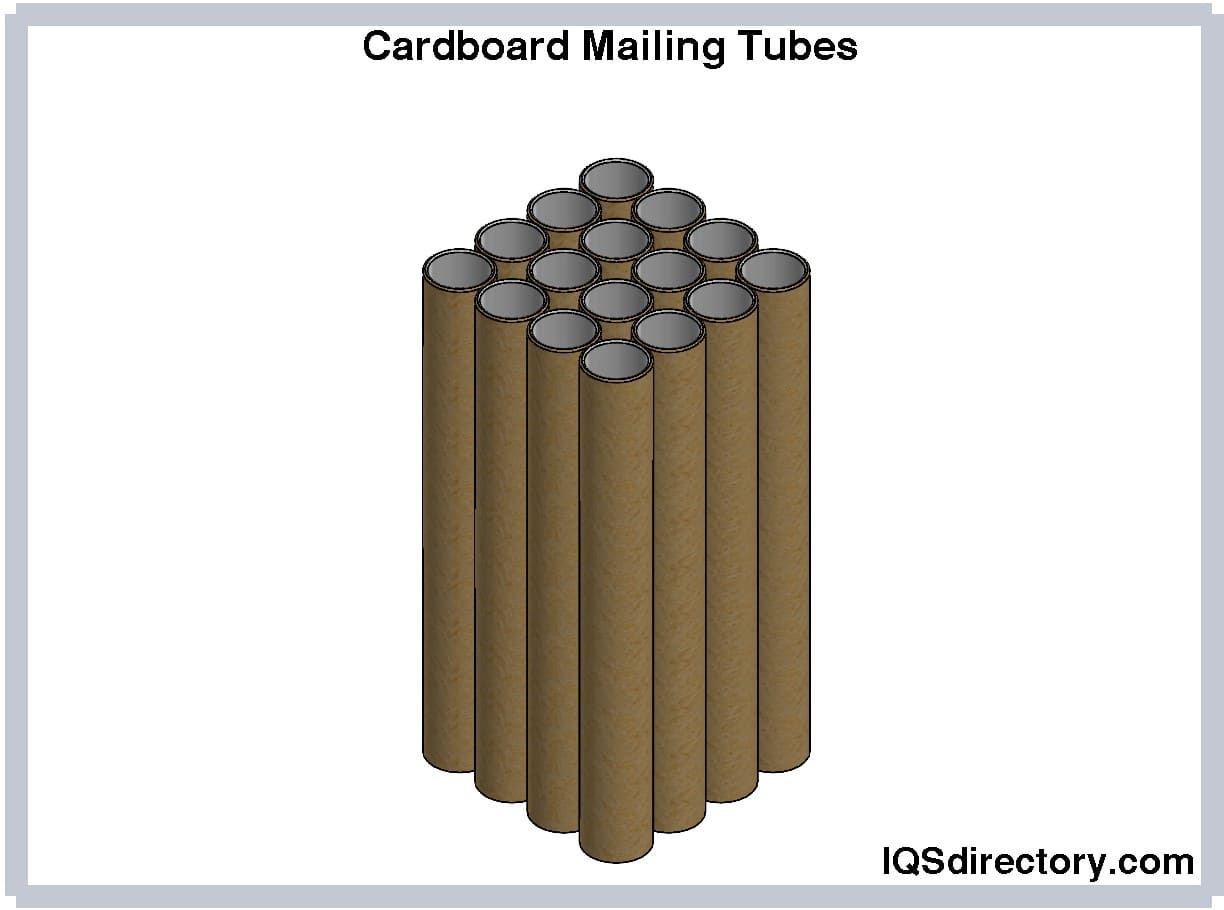
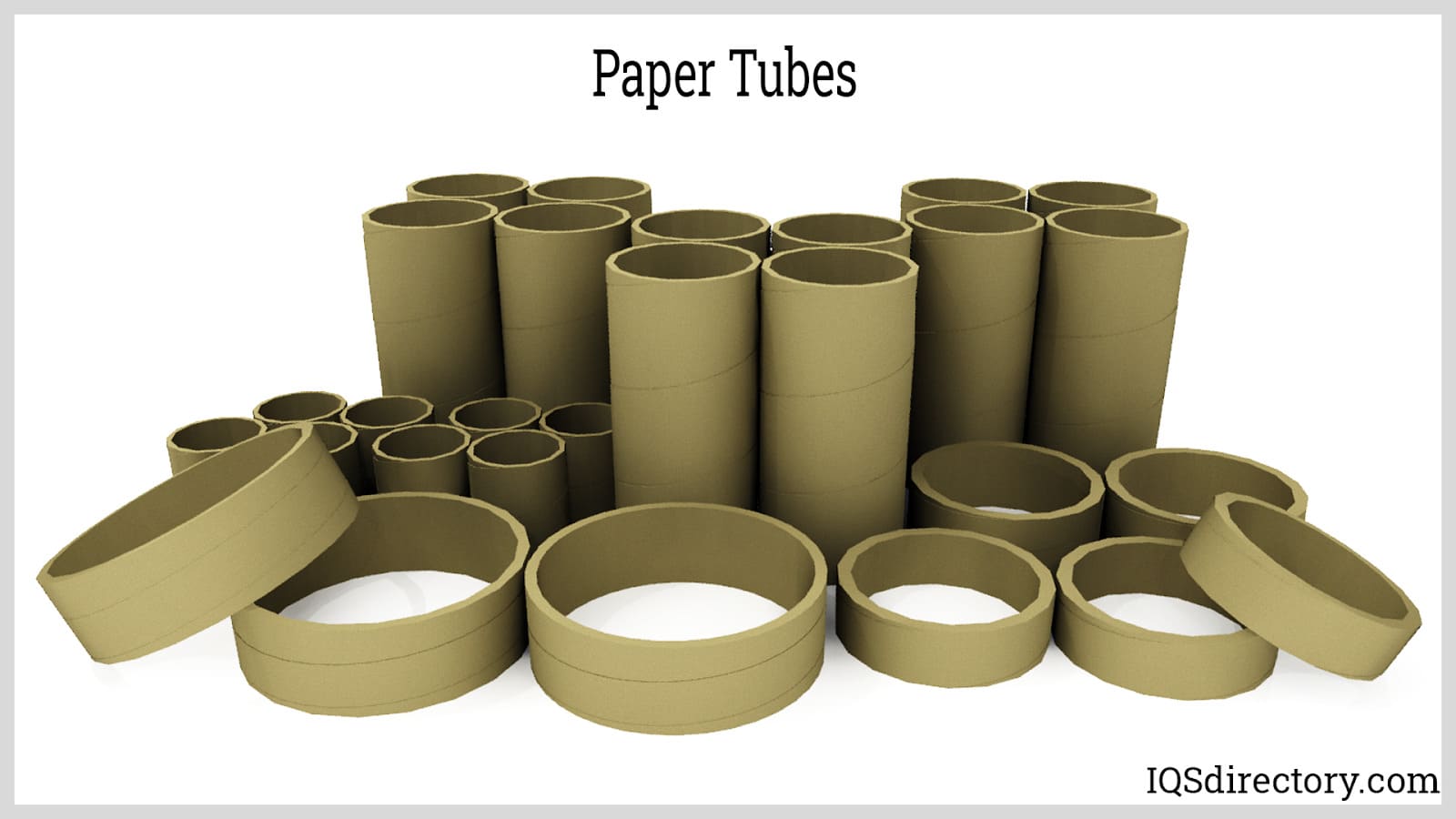
 Cardboard Tubes
 Carrying Cases
 Contract Packaging
 Corrugated Boxes
 Dot Peening Machines
 Labeling Machinery
 Marking Machinery
 Packaging Equipment
 Palletizers
 Plastic Bags
 Sewing Contractors
 Tape Suppliers
 Castings & Forgings
 Bulk Material Handling
 Electrical & Electronic Components
 Flow Instrumentation
 Hardware
 Material Handling Equipment
 Metal Cutting Services
 Metal Forming Services
 Metal Suppliers
 Motion Control Products
 Plant & Facility Equipment
 Plant & Facility Supplies
 Plastic Molding Processes
 Pumps & Valves
 Recycling Equipment
 Rubber Products & Services